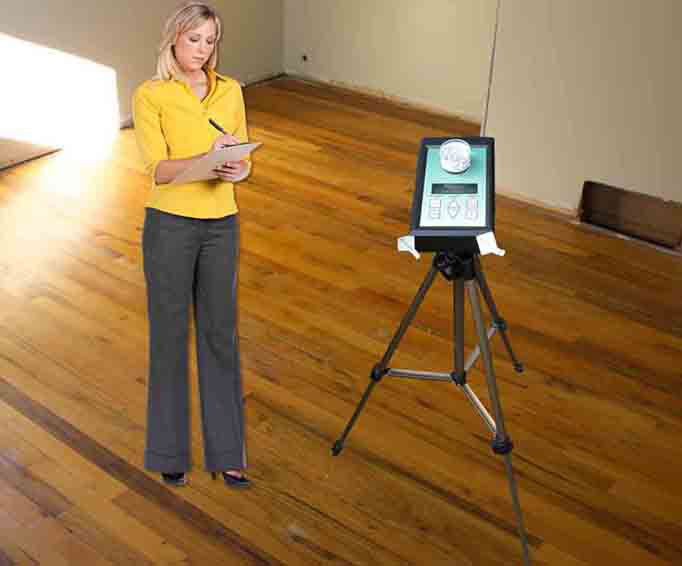
More than just laboratory results...
Mold & Bacteria Consulting Laboratories (MBL) specializes in identification and enumeration of mold and bacteria commonly detected in air, fluids and bulk samples collected from homes, schools, offices, hospitals, industrial, agricultural, and other work environments. MBL also provides a unique Mold Training Course on How to Recognize Indoor Mold, Develop Effective Sampling Strategies, … [Read More]

Bacteria testing can determine the types and numbers (in terms of colony forming units) of bacteria present in a sample. The testing could be focused on a specific type of bacteria, medical bacteria or a broad range of environmental bacteria. Since bacteria are present in virtually any environment, it's important to be clear why the testing is being performed. The more specific the testing is the better and the easier it is to interpret the results. Numbers and types of bacteria that should be a … [Read More]

Mold testing in the laboratory involves analysis of samples collected from residential and commercial properties. Samples for mold testing include air for either viable or non-viable analysis and surface samples such as swabs, bulk (pieces of material, dust or liquids). tape lift, and contact plates. For how to collect samples click (How do I collect my samples?) Air Samples Culture (viable) analysis. This includes enumeration of the colony forming units (CFU) and identification of … [Read More]

Legionella testing typically involves collecting water samples and surface swabs from evaporative cooling basins, shower heads, faucets/taps, and other locations where warm water collects. Legionella is the cause of legionnaire's disease (or Legionellosis). The risk factors for Legionellosis in decreasing order of importance are heavy smoking, chronic lung disease, the elderly, and the immunosuppressed. A recent study documented 76 cases of pediatric Legionellosis in children under 1 year of age … [Read More]
The manufacture of pulp and paper requires large amounts of energy, water and trees. It has been estimated in Canada that this industry is responsible for half of all waste dumped into this country’s waters and approximately 5.6% of known common air contaminants. In 1995, the Canadian pulp and paper industry generated as much as 7.1 million tonnes of solid waste. The components of that waste were 60% wood and bark, 23% pulp and paper mill biosolids, 12% inorganic residues and, 5% … [Read More...]
Unique, comprehensive one-day mold training course on how to recognize indoor mold, how to develop effective sampling strategies, how to interpret laboratory results and how to control mold growth. If you have been considering attending a similar course, don't delay in registering as we have limited spaces! For course fees and payment options, scroll to the bottom of the page. To Do This Course Online, Click Online Mold Course and Create an Account. If no dates are indicated, please send us … [Read More]

What is Mold? Molds (also spelled "moulds") are simple, microscopic organisms that can grow virtually anywhere, both inside buildings and outdoors. Mold colonies can grow inside damp or wet building structures. Mold spores are a common component of household and workplace dust. Health effects from exposure to mold can vary greatly depending on the person and the amount and type of mold present. Regardless of the type of mold, it should be treated as potentially a health hazard and should … [Read More]
Copyright © 2013 · Mold & Bacteria Consulting Laboratories